Common Causes of Clogs and the Need for Residential Drain Cleaning

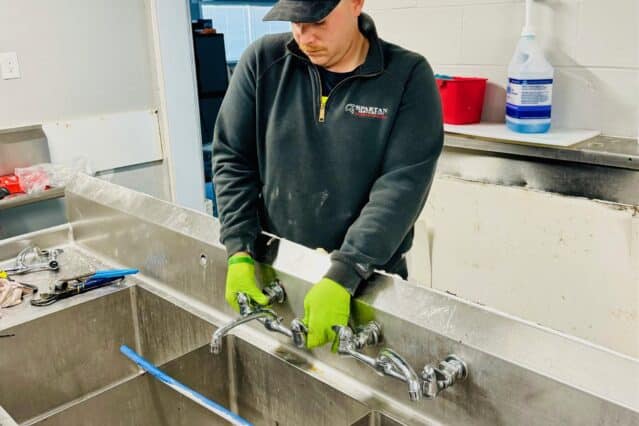
A slow drain rarely stays a small problem for long. What starts as a sink that takes an extra minute to empty can turn into standing water in a shower, odors drifting up from a floor drain, or a kitchen sink that backs up right when dinner dishes pile high. Homeowners often treat these issues as isolated annoyances, but most clogs are symptoms of a larger pattern inside the plumbing system. Pipes collect residue over time. Some materials snag and hold. Others harden, swell, or combine into dense blockages that ordinary rinsing cannot clear.
That is why Residential Drain Cleaning matters. It is not only about reopening a pipe after it stops working. It is about removing the buildup that creates recurring trouble, protecting fixtures and finishes, and reducing the chance of a much more expensive plumbing event. In homes of every age, from older houses with cast iron lines to newer builds with plastic piping, drain problems follow a few familiar paths. The details vary, but the mechanics are usually easy to recognize once you understand what is happening inside the line.
What a clog really is
People often picture a clog as a single wad of debris lodged in one spot, like a cork in a bottle. Sometimes that is true. A child flushes too much toilet paper, a washcloth slips into a floor drain, or a bar of soap falls into a sink line. More often, though, a clog forms gradually. Grease leaves a sticky film inside a kitchen pipe. Hair catches on rough spots in a bathroom drain. Soap scum hardens against the pipe wall and narrows the opening. Food scraps, lint, paper fibers, and mineral deposits then have less room to pass through.
This buildup changes water flow in subtle ways before a full blockage appears. A homeowner may hear gurgling after running the dishwasher. A shower may drain normally at first, then slow as a person shampoos and rinses. A toilet may seem slightly sluggish, not overflowing but not flushing with its usual force either. These are early warnings. By the time water stands in a sink or rises in a tub, the line has usually been collecting material for weeks, months, or longer.
The location matters too. A clog in the trap just beneath a sink behaves differently from one deeper in a branch line, and both differ from a blockage in the main sewer line. Local clogs tend to affect one fixture. Main line problems often show up in the lowest drains first, such as a basement floor drain or first floor shower. That distinction helps explain why some homes have one slow sink while others experience backups in multiple rooms at once.
Kitchen drains, where grease and food quietly team up
Kitchen drains are some of the hardest-working lines in a home. They carry hot water, soap, food residue, oils, and bits of debris every day. The common assumption is that if grease is liquid when it goes down, it is harmless. In practice, it cools and clings to the interior of the pipe. Even small amounts matter. A tablespoon here and there does not seem significant at the sink, but over months it forms a tacky coating that traps everything else.
Cooking fats are an obvious culprit, but they are not alone. Salad dressings, butter, creamy sauces, meat drippings, and even some dairy products leave residue. Starchy foods add to the problem in a different way. Pasta, rice, and potato scraps can swell and compact. Coffee grounds settle into low points in the line. Fibrous vegetable peels, eggshell fragments, and food labels can snag on existing buildup and start a blockage that worsens with each use.
Garbage disposals create a false sense of security. They grind food, but they do not make waste disappear. The particles still travel through the same drain line, and some materials remain troublesome even after grinding. Celery strings, corn husks, onion skins, and large amounts of rice or pasta are frequent offenders. In houses where the kitchen line runs a long horizontal distance before joining the main drain, these materials have more opportunity to settle and stick.
A kitchen sink that drains slowly after washing dishes often needs more than a splash of store-bought cleaner. If the pipe wall is coated with grease and compacted debris, the goal is not simply punching a small hole through the center of the blockage. Effective Residential Drain Cleaning removes the material across the diameter of the line so water can flow freely again.
Bathroom drains, where hair and soap do most of the damage
Bathroom clogs look simple from the surface, but they can become dense and surprisingly stubborn. Hair is the main reason. It wraps around drain stoppers, snags on joints and rough patches, and forms a net that catches soap residue, skin oils, and lint. Once enough material collects, water still slips through for a while, which is why the problem often goes unnoticed until the shower pan starts filling around a person’s feet.
Soap adds another layer. Traditional bar soaps leave a residue that can harden inside the pipe, especially when combined with minerals in hard water. This creates a chalky, sticky lining that narrows the passageway. Toothpaste, shaving cream, and personal care products contribute as well. In bathroom sinks, the trouble often builds around the pivot rod assembly that controls the pop-up stopper. That small mechanism catches hair, toothpaste sludge, and sticky residue long before the blockage reaches deeper piping.
Toilets usually clog for different reasons. Excessive toilet paper is common, especially low-flow models paired with older drain designs that already have marginal carry. So-called flushable wipes are another major source of trouble. Many do not break down quickly enough in real plumbing conditions. They can hang up in bends or catch on roots and rough pipe interiors farther down the line. Cotton swabs, paper towels, hygiene products, and small toys also appear more often than many homeowners would believe.
There is a practical lesson here. Repeated plunging may restore function in the moment, but if the same fixture clogs every few weeks, the line likely needs proper cleaning. Otherwise, residue remains in place and the cycle repeats.
Laundry and utility lines, a less obvious source of backups
Laundry drains do not get the same attention as kitchen and bathroom lines, yet they generate a steady load of clog-forming material. Lint is the classic example. Even with a dryer lint trap, some fibers leave the washing machine with the discharge water. Over time they can collect in standpipes and branch lines, especially if there is already soap buildup in the pipe to help them stick.
Detergent residue also plays a role. High-efficiency machines use less water, which is good for conservation but can mean less dilution if too much product is used. Add fabric softener, pet hair, sand from work clothes, and fine dirt, and the drain line becomes a catch basin for sludge. In homes with utility sinks tied into the same branch, paint rinse water, mop debris, or plaster dust can make matters worse.
One pattern plumbers see often is the washing machine standpipe that overflows only during the drain cycle. Homeowners may think the machine is pumping too forcefully, but more often the line is partially restricted. The water volume from the washer briefly exceeds what the narrowed pipe can carry, and the standpipe spills. That is a textbook signal that cleaning is overdue.
The hidden role of hard water and mineral buildup
Not every clog begins with hair or grease. In many regions, hard water steadily changes pipe interiors. Dissolved minerals, especially calcium and magnesium, can precipitate onto the pipe wall and form scale. On newer smooth plastic pipes, that process is slower. On older galvanized or cast iron piping, where the interior may already be rough, scaling can advance much faster.
Mineral buildup is particularly frustrating because it rarely draws attention until it has significantly reduced flow. A drain may seem merely sluggish for a long time. Then one day it tips into full backup because there is so little room left inside the line. Homes with hard water may also see soap scum intensify, since minerals react with soap and create more residue. The result is a pipe that narrows from two directions at once.
This is one reason generic chemical cleaners disappoint so often. They may dissolve some organic matter, but they do little against hardened scale. In some cases, repeated chemical use can also be hard on older pipes, especially if the line already has corrosion or weak joints. Mechanical cleaning or hydro jetting, performed with judgment and the right equipment, addresses the actual condition inside the pipe instead of merely attacking one type of material.
Older homes, tree roots, and the main line problem
When multiple drains in a home act up together, or when the lowest fixtures back up first, the issue may be beyond a single sink or tub line. Main sewer lines develop problems for reasons that individual fixtures do not. Tree roots are a leading cause. Roots naturally seek moisture, and even a tiny gap in an underground pipe can attract them. Once they enter, they expand, trap solids, and eventually create severe obstructions.
Older materials are especially vulnerable. Clay tile sewer lines can shift and crack. Cast iron can corrode and flake internally. Orangeburg pipe, found in some mid-century homes, can deform as it ages. Even modern PVC lines can suffer from poor slope, settlement, or improper installation. When a main line begins to fail, symptoms often appear unevenly. A tub might gurgle when a toilet flushes. A basement drain might emit foul odor after heavy dishwasher use. During periods of heavy rain, the situation can worsen if groundwater infiltrates damaged piping.
This is where professional Residential Drain Cleaning becomes more than routine maintenance. It becomes a diagnostic step. A proper cleaning may include camera inspection to identify roots, breaks, bellied sections, or severe scaling. Without that information, a homeowner may keep paying for temporary clearing when the real issue is structural.
Why recurring clogs deserve attention
A single blockage after an unusual event, such as too much paper in a toilet or a dropped object in a sink, is one thing. Repeating clogs almost always tell a deeper story. Either material is building up again because the original cleaning was incomplete, or the pipe has a condition that helps debris collect quickly.
There is a big difference between making water move and restoring the line. A small handheld snake from a hardware store can sometimes poke through a blockage. Once the backed-up water drains away, the problem seems solved. But if the snake only bored a narrow channel through grease or hair, much of the obstruction remains. It does not take long for fresh debris to lodge there and rebuild the clog. This is why some households deal with the same sink or shower problem every month or two.
Repeated clogs also increase the chance of collateral damage. Overflowing toilets can damage flooring, trim, and subfloor materials. A kitchen sink backup can contaminate cabinet interiors. Water that escapes from a shower pan or laundry area can lead to staining, odors, and mold concerns. The plumbing problem itself is often cheaper to solve than the damage from waiting too long.
The signs that point to a drain cleaning need
Homeowners often ask when a slow drain crosses the line from nuisance to service call. Experience says the answer is earlier than most people think. The signs usually appear before a full backup, and catching them then is both cleaner and cheaper.
Here are the signals worth taking seriously:
- Water drains more slowly than it used to, even if it still eventually clears.
- Gurgling sounds come from nearby fixtures when water runs elsewhere in the house.
- Odors rise from sinks, tubs, or floor drains despite normal cleaning at the surface.
- A plunger or store-bought drain product provides only short-lived relief.
- More than one fixture shows symptoms, especially on the lowest level of the home.
Any one of these can justify inspection. Several at once strongly suggest that simple surface maintenance is no longer enough.
What professional drain cleaning actually does
People sometimes hesitate to schedule service because they imagine drain cleaning as a rough, one-size-fits-all process. In reality, competent plumbers match the method to the line, the material, and the type of blockage. A bathroom sink with hair near the stopper assembly may need basic mechanical removal. A long kitchen branch full of grease may need machine cabling with the correct head to scrape pipe walls. A root-infested main line may call for a larger cable machine, followed by a camera inspection and perhaps hydro jetting if the pipe condition allows it.
Hydro jetting deserves a specific mention because it is often misunderstood. Done properly, it uses high-pressure water to scour the inside of a pipe and remove residue across a broad surface area. On the right piping, it can be extremely effective against grease, sludge, and certain root intrusions. It is not appropriate in every case, particularly where a line is fragile, collapsed, or poorly connected. That is why judgment matters. Good drain cleaning is not about using the most aggressive tool. It is about using the right one.
Professional service also addresses safety and sanitation. Backed-up wastewater is not just unpleasant. It can carry bacteria and contaminate surrounding surfaces. Removing a clog while protecting the home, checking for proper flow, and identifying whether the problem is likely to return are all part of quality work.
Prevention works, but only to a point
There are sensible habits that reduce clog formation. They are worth adopting because they lower the frequency of service calls and help pipes stay cleaner between professional visits. At the same time, prevention is not a magic shield. Even careful households accumulate residue over time, especially in busy kitchens and bathrooms.
A practical routine includes the following:
- Keep grease, oils, and heavy food scraps out of the kitchen sink.
- Use drain screens in showers and bathroom sinks to catch hair before it enters the line.
- Flush only human waste and toilet paper, nothing marketed as flushable unless your plumber specifically recommends it.
- Avoid overusing detergent and fabric softener in the laundry room.
- Schedule periodic Residential Drain Cleaning if your home has older pipes, a history of roots, or recurring slow drains.
The key is realism. Good habits help, but they do not erase years of buildup or fix damaged piping. Homeowners with mature trees, older sewer lines, or heavy household use often benefit from maintenance cleaning on a planned basis rather than waiting for an emergency.
The cost of delay is usually higher than the cost of service
Drain problems tempt people to postpone action because they can seem manageable right up until the moment they are not. A sink that drains slowly still drains, after all. A toilet that occasionally needs a second flush still works. But plumbing rarely improves on its own. Material accumulates, pipes age, roots grow, and each partial obstruction creates better conditions for the next one.
There is also a hidden cost in the time and disruption recurring clogs create. Homeowners lose hours trying plungers, chemicals, improvised hooks, and internet remedies. Tenants become frustrated. Family routines get interrupted. If the issue finally turns urgent on a weekend or holiday, the service call often becomes more expensive than it would have been during regular maintenance.
From a property care standpoint, drain cleaning is one of the more practical preventive services a homeowner can schedule. It protects daily function, reduces the risk of backups, and gives professionals a chance to spot bigger issues before they become emergencies. That is especially valuable in homes with aging infrastructure, large households, or a history of plumbing trouble.
A clear drain supports the whole house
Drains are easy to ignore because most of their work happens out of sight. When they do their job well, nobody thinks about them. When they start to fail, every part of the home routine feels it. Cooking, bathing, laundry, cleanup, and sanitation all depend on waste water moving out quickly and reliably.
Understanding the common causes of clogs makes it easier to respond wisely. Grease and food residue choke kitchen lines. Hair and soap overwhelm bathroom drains. Lint and detergent sludge burden laundry lines. Hard water scale narrows older piping. Tree roots and pipe defects create serious main line trouble. Each of these conditions points to the same basic truth: drains need maintenance, not just rescue.
Residential Drain Cleaning is the service that turns a recurring annoyance into a resolved problem. It clears what has built up, restores proper flow, and often reveals whether a line needs https://arthurvrri290.quillnesty.com/posts/residential-drain-cleaning-for-new-homeowners-a-complete-starter-guide further repair. For homeowners, that means fewer surprises, cleaner fixtures, and a plumbing system that performs the way it should, quietly and consistently, day after day.
Spartan Plumbing Services
Address: 760 107th St S, Tacoma, WA 98444
Phone number: +12534998773
FAQ About Residential Drain Cleaning
How much does it cost to have someone clean your drains?
Professional drain cleaning costs between $147 and $352 on average, with most homeowners paying around $246. The final price is heavily determined by the type of drain affected, the clearing method needed, and your geographic location.
How much does it cost to clean a drain line?
Professional drain cleaning costs between $147 and $352 on average, with most standard residential jobs landing right around $246. However, your final bill can scale from $100 to over $800 depending entirely on which drain is clogged and the method required to clear it.
Is professional drain cleaning worth it?
Yes, professional drain cleaning is worth it because it clears deep buildup and prevents expensive plumbing emergencies.